New location
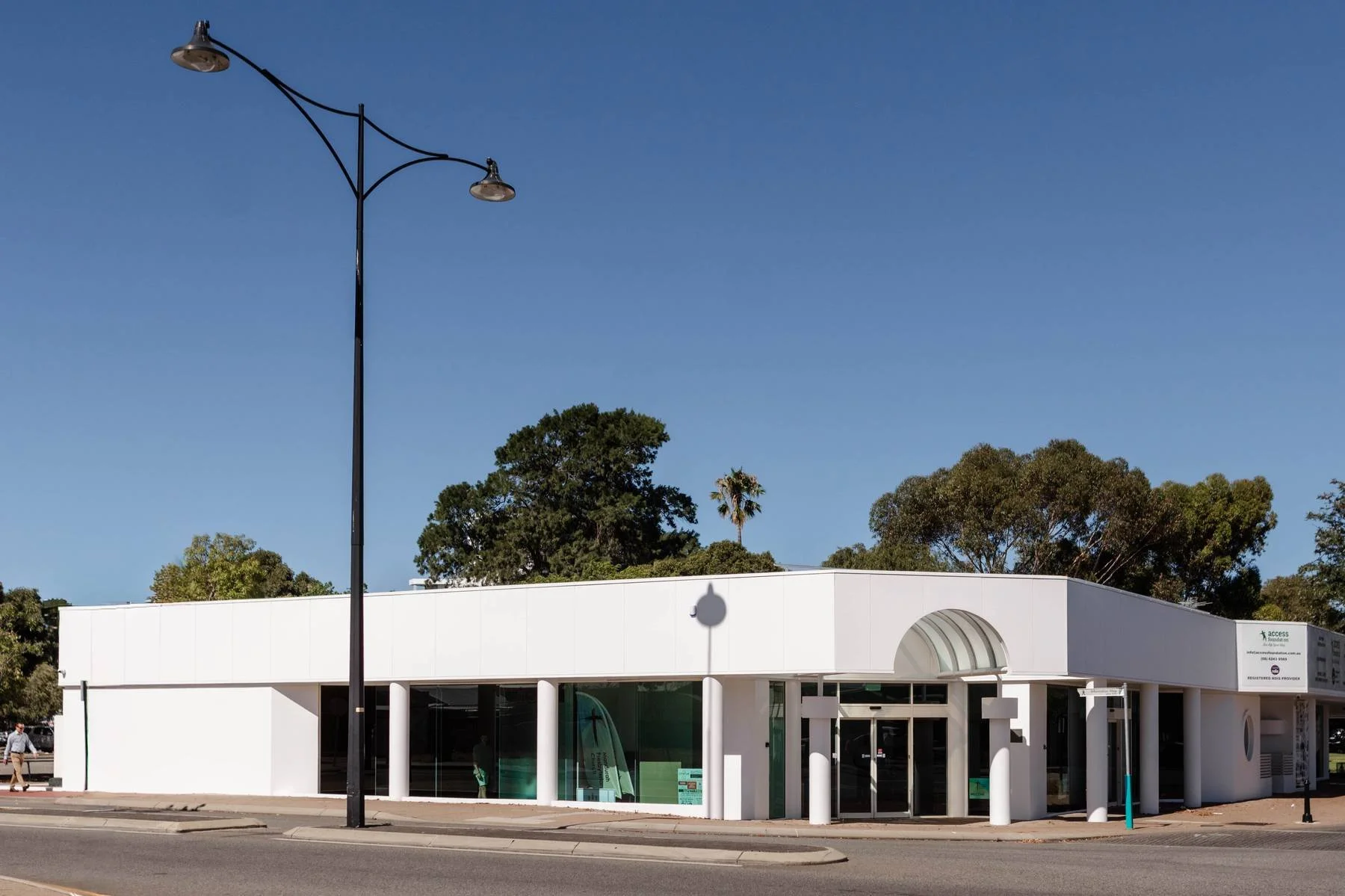
12 Sutton Street, Mandurah
From Sunday January 4, 2026, we will be moving into our new location.
Ample off-street parking is accessible via Sutton St and Church St.
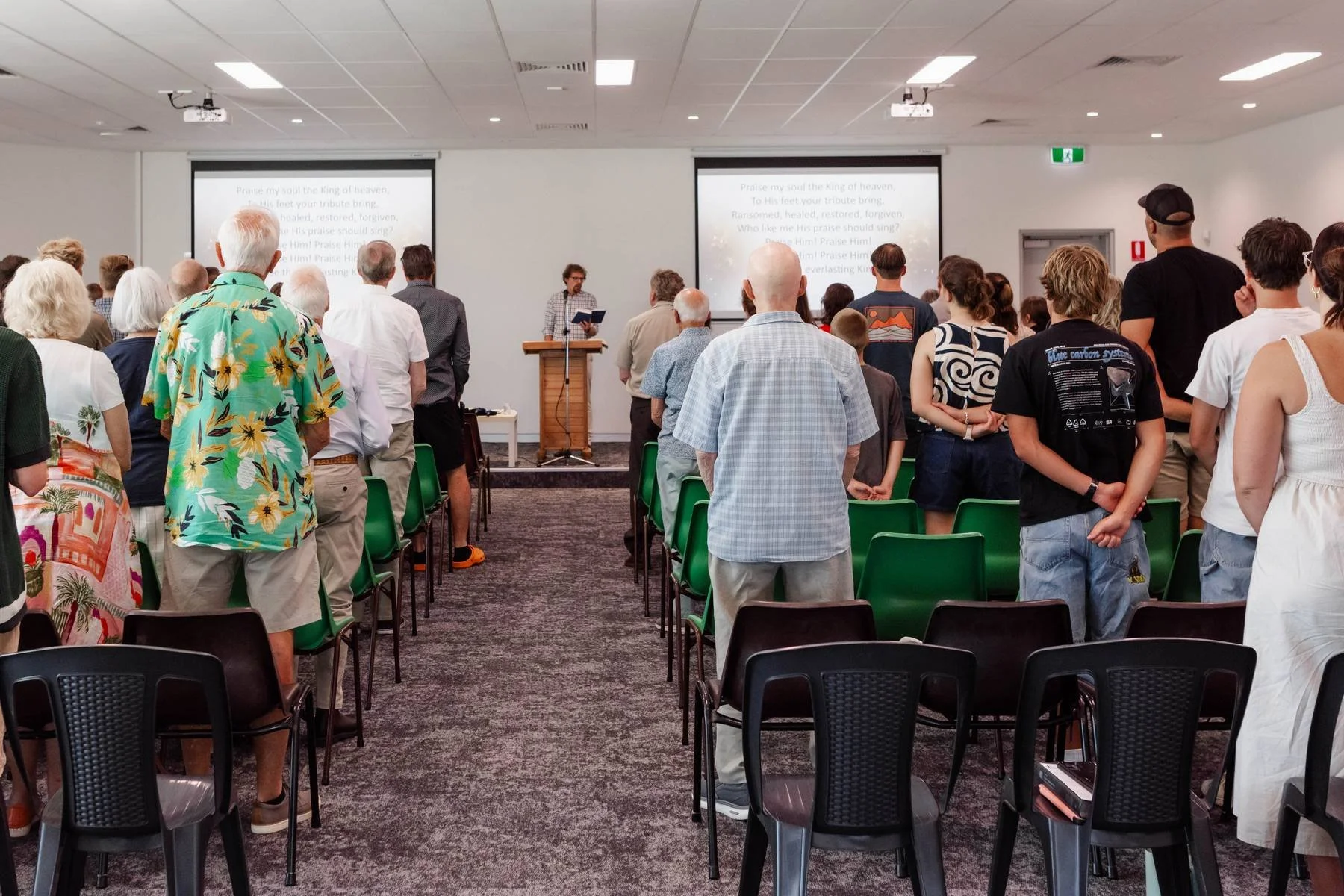
We invite you to come and worship with us each Sunday morning at 10am.
MPC is a protestant Christian church which is evangelical in practice, reformed in theology, Presbyterian in governance and mission minded.

Recent Sermons
The church at Corinth – a prominent city in Greece – had a lot going on: lawsuits, a bloke sleeping with his stepmother, members being struck dead at the Lord’s Supper, crazy interruptions in the worship service; jealousy, rivalry, big egos. Paul has spent his time addressing each of these, but now he comes to one of his big ‘remind mes.’ What is the most important thing the Corinthians need to be reminded of? What’s the most important thing we’re likely to forget? The gospel. In these 11 verses, Paul reminds us of the reality of the gospel (vs. 3-8), the result of the gospel (vs. 9-11) and the effect of the gospel (vs. 1-2).
Revelation 21 is about the new, better things God has planned for the future at the close of history and our final state in the new heaven and new earth. Yet, because we hear that word ‘new,’ we might feel a bit like someone using a new piece of technology. It’s all a bit technical, mysterious and fancy, so we’re intimidated by it. Is the close of history the beginning of something greater? Is the grass greener on the other side of the fence – in the new universe? Is new better? We need to first get our heads around the passage.
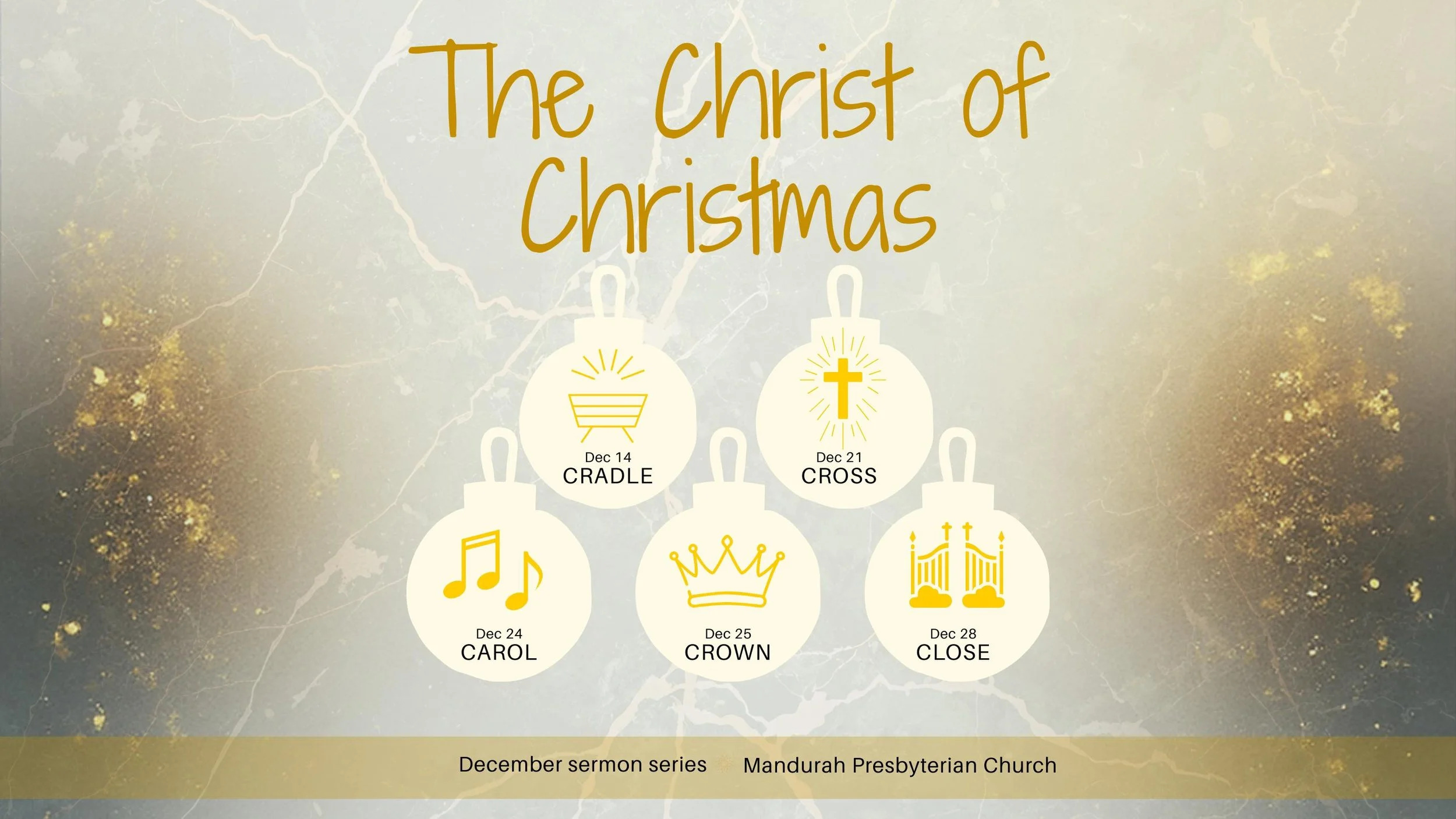
At Christmas time we know the name Jesus and recognize him as the baby born in Bethlehem. Revelation 19 is about the same Jesus, but he is unrecognizable from the nativity scene. There he is born in obscurity, laying in an animal’s feeding trough while the city slept. Here Jesus comes in power from glory, riding a white horse and every eye will see him. Why do we need to see Jesus on the horse, even as we remember his birth in a manger? Why do we need to move from ‘see him lying in a bed of straw’ to Revelation’s Jesus at Christmas? As it was announced to Mary, Jesus is the Son of the Most High. He is inheritor of God’s throne and he will reign forever. The Saviour we celebrate being born is King and Judge of all.
The real reason we sing at Christmas is because the event we celebrate at Christmas – Christ the Saviour being born – is filled with singing! Mary sings as she carries Jesus in her womb, the angels sing as they announce Jesus’ birth to the shepherds, the old man Simeon sings as he holds baby Jesus at the temple. Why so much singing about Jesus? The last book of the Bible, Revelation, helps us understand why we sing about Jesus.
A cross wasn’t something that you would have emblazoned on anything. It was a symbol for defeat, despair and death. Yet, the Bible puts the cross as the symbol, the picture, the summary of Christian faith. What looks like defeat the church glories in! That’s the reality painted for us in Revelation. If you imagine the book of Revelation like looking through an art gallery, the focal point of the gallery is here in Revelation 5:1-10. Why is the cross so important? It is central because it unlocks history and it creates a people.
Revelation gives us the grand tapestry of human history, God’s salvation and the future through a gallery of smaller pictures. Here in Revelation 12:1-6, Christmas is put in the telescope of God’s redemptive plan.
Don’t we all yearn for peace? The Biblical concept of peace – shalom – means far more than just being at peace in yourself. It’s not just about being ‘zen.’ It’s the sense that what was once broken is now restored; what was at war is now reconciled; what was in pieces is now whole; what was estranged is now home; what was chaos is now at rest. It’s this peace that God offers to us in the person of the Lord Jesus Christ. As we see Jesus’ triumphal approach to Jerusalem, we see what peace looks like and how to receive it.
Throughout Luke, Jesus has been giving us one test of allegiance after another. Are we for him or against him? Do we listen to him or ignore him? Do we grumble that he receives sinners or do we receive him with joy? The parable of the minas is another allegiance test: you invest where your loyalties lie.
Jesus tells us why he came: to seek and save. Thus, there’s salvation, hope, assurance for you in Jesus if you’re lost. You don’t have to wonder if anyone is looking for you because in these ten verses of sycamore trees and dinner parties that the Son of Man indeed came to seek and save the lost.
Jesus has warned us throughout Luke 18 that we often don’t see ourselves clearly; we lack a self-awareness of who we are and our position before God. So, Luke ends this chapter with a seeing lesson from a blind man. We’re shown what the disciples can’t see and what the blind man can see.
Jesus comes with refreshing, life-saving and life-giving honesty about entry into God’s kingdom. He gives straight answers to life’s biggest questions. What must we do? Who can be saved? Is it worth it? Jesus cuts to the chase with these questions through his exchange with a rich ruler and his disciples.
It seems our default setting is that children should be seen and not heard. They’re blessed to be with us, but they don’t really belong. They’re present, but not really part of us. Worship on Sunday – especially the preaching – we see as an adult activity. Children shouldn't be expected to sit through a service, or comprehend what’s said and done, or even anticipate receiving something by being present. If that’s your understanding of a child’s status in God’s kingdom, what Jesus says and does in Luke 18 will unsettle you; it may be challenging and uncomfortable. In this little episode, Jesus teaches us that children are important because they belong in God’s kingdom and they illustrate God’s kingdom.
In the parable of the Pharisee and the tax collector Jesus teaches us that we are justified before God through faith in Christ, not by our works.
As followers of Jesus, we know the tension of living between the now and the not yet. Our ‘now’ is that we’ve been saved by Jesus and our future is secure in him – but we’re not living in the future, yet. The great inauguration of God’s kingdom has come in the person and work of Jesus, but we’re waiting the consummation at his return. So, how do you live in the middle? Jesus explains that by looking back and looking forward we find clarity for living in the present.
There was a little prayer that my Grandpa prayed for every meal: “Lord, for what we are about to receive, make us truly thankful for Christ’s sake, Amen.” It’s a simple prayer, but profound. What does it mean to be truly thankful? Why should even the gift of food cause me to be truly thankful – truly thankful because of Christ? In healing of the ten lepers, we see that gratitude flows from returning to and rejoicing in God’s salvation in Jesus.
Jesus’ teaching is refreshing and realistic; it's true to life. He tells us what to expect. In this little section, Jesus explains what life in his kingdom will be like - particularly kingdom life with other people. Jesus explains that kingdom life is dealing with sin, living by faith and serving with humility.
There is life after death. This life only makes sense if there is an afterlife. Not only does life make sense, it has a purpose, it counts for something – what you do with your life matters! So, what happens after death? Or more personally, what will happen to you when you die? This is the question that Jesus answers in this parable of a rich man and a poor man named Lazarus.
It seems all too human to dismiss what’s important when we believe it doesn’t apply to us. It’s true when it comes to Jesus’ teaching. We have a tendency to listen to sermons with other people’s ears; read our Bibles with other people’s eyes. Haven’t you ever thought, “She should really listen to this” or “I should send this to him because he really needs to wake up to this.” All the while, we don’t listen or see ourselves. Instead, Jesus challenges us not to excuse ourselves from his teaching and remain indifferent. What does Jesus say matters? What matters is what God sees and what Jesus says.
Welcome to our Church
12 Sutton Street, Mandurah 6210
Sunday Mornings, 10am